
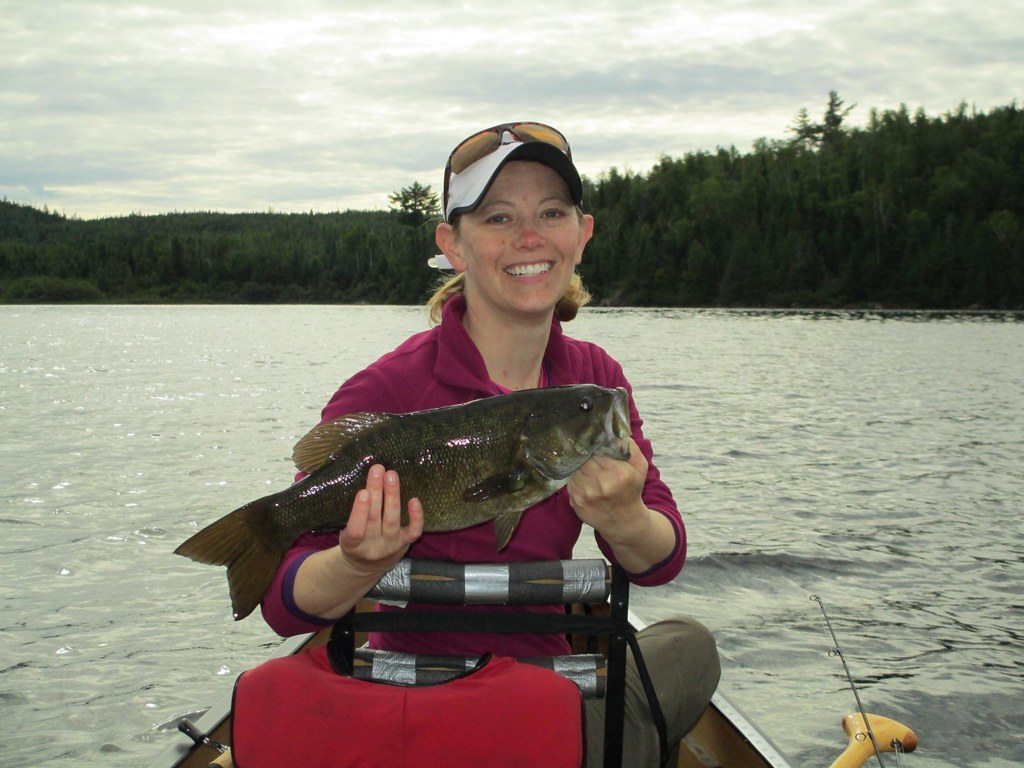
Gear should help an angler feel capable, not remind her that the industry forgot she exists. A rod grip that fits, clothing that moves, a life jacket that is comfortable, gloves that work, and rain gear that does not feel like borrowed equipment can change the whole day. The best gear for women is not about making fishing cute or complicated. It is about fit, safety, comfort, and confidence. When those pieces come together, the angler can focus on the water instead of fighting equipment that was never designed with her in mind.
2026 Women’s Bass Gear Price Snapshot
These are live internet price checks gathered for women-focused and pink-accent fishing gear. Prices move with sales, colors, and size availability, so use this as a shopping baseline rather than a permanent quote.
| Gear | Why it fits this article | Price found online | Source |
|---|---|---|---|
| SheFish SC Elite 6 ft 3 in MH Spincast Combo | Women-focused rod-and-reel combo; simple push-button spincast setup for casual bass days | $59.99 | Academy Sports + Outdoors |
| SheFish Fashion Elite 7 ft MH Leopard Pink Baitcast Combo | Pink/leopard women-focused baitcast combo for anglers ready to throw heavier bass lures | $179.99 | Academy Sports + Outdoors |
| Zebco Roam 3SZ Pink 6 ft M Spincast Rod and Reel Combo | Pink beginner-friendly combo; useful for dock, bank, and panfish-to-bass crossover fishing | $34.97 sale / $39.99 list | Academy Sports + Outdoors |
| Okuma Avenger New Generation LE Spinning Reel, Pink | Pink 3000-size spinning reel that can pair with a medium spinning rod for finesse bass tactics | $54.99 | Tackle Warehouse |
| AFTCO Women’s Samurai 2.0 Sun Protection Hoodie, Pink Heather | Women’s UPF fishing hoodie with a pink color option for long sunny days on Clear Lake | $45.00 | AFTCO |
| Simms Women’s SolarFlex Hoody | Women’s technical sun hoodie; a higher-end fit-first apparel option | $85.00 | Simms Fishing |
| H2OX 88-Piece Tackle Kit | Low-cost starter tackle kit to fill a small tray before buying specialty bass lures | $12.99 | Academy Sports + Outdoors |
| Berkley Flicker Shad, pink color option | Pink hard bait option for reaction bites and trolling/covering water | $5.99–$6.99 | Academy Sports + Outdoors |
The pattern is simple: spend first on fit and function, then use color as a bonus. A pink reel, combo, hoodie, or lure is fun when it also solves a real fishing problem: easier casting, better sun protection, more comfortable grip, or a more organized tackle tray.
The Moment This Starts to Make Sense
A good day of bass fishing does not belong to one kind of angler. It belongs to the person who prepares well, reads the water, keeps learning, and refuses to let an old stereotype decide whether she is welcome at the ramp, on the bank, or in the boat. The first breakthrough usually is not a giant bass. It is the moment you understand why a cast belongs in one place and not another. When that happens, fishing stops feeling random and starts feeling like a conversation with the lake.
For bass fishing gear for women, that means slowing down enough to notice details that are easy to skip: wind direction, water clarity, shade, boat traffic, bottom feel, and how your lure moves through cover. You do not need to become perfect overnight. You just need enough structure to repeat what works and question what does not.
What Most Anglers Miss
Most frustration comes from fishing memories instead of conditions. An angler remembers a dock, a color, a point, or a story from someone else, then keeps forcing it long after the lake has changed. Bass do not care what worked last month if today gives them different light, pressure, forage, temperature, or cover.
The better habit is to start each trip with a few honest questions. What season are the fish living in right now? Are they likely shallow, buried in cover, suspended, feeding in short windows, or sliding deeper? What can I observe in the first thirty minutes that should change my plan?
A Simple Plan You Can Actually Follow
Begin with a small plan rather than a tackle-store-sized plan. Pick two or three likely areas, two confidence presentations, and one backup option for tougher conditions. Give each choice enough time to teach you something, but do not spend the whole day defending a bad decision because you made it at breakfast.
A practical plan for finding fit comfort and function should include a starting location, a way to cover water, a slower option when fish are present but not chasing, and a clear reason to move. Moving because you are bored is different from moving because the evidence tells you the area is not setting up right.
Gear That Helps Without Taking Over
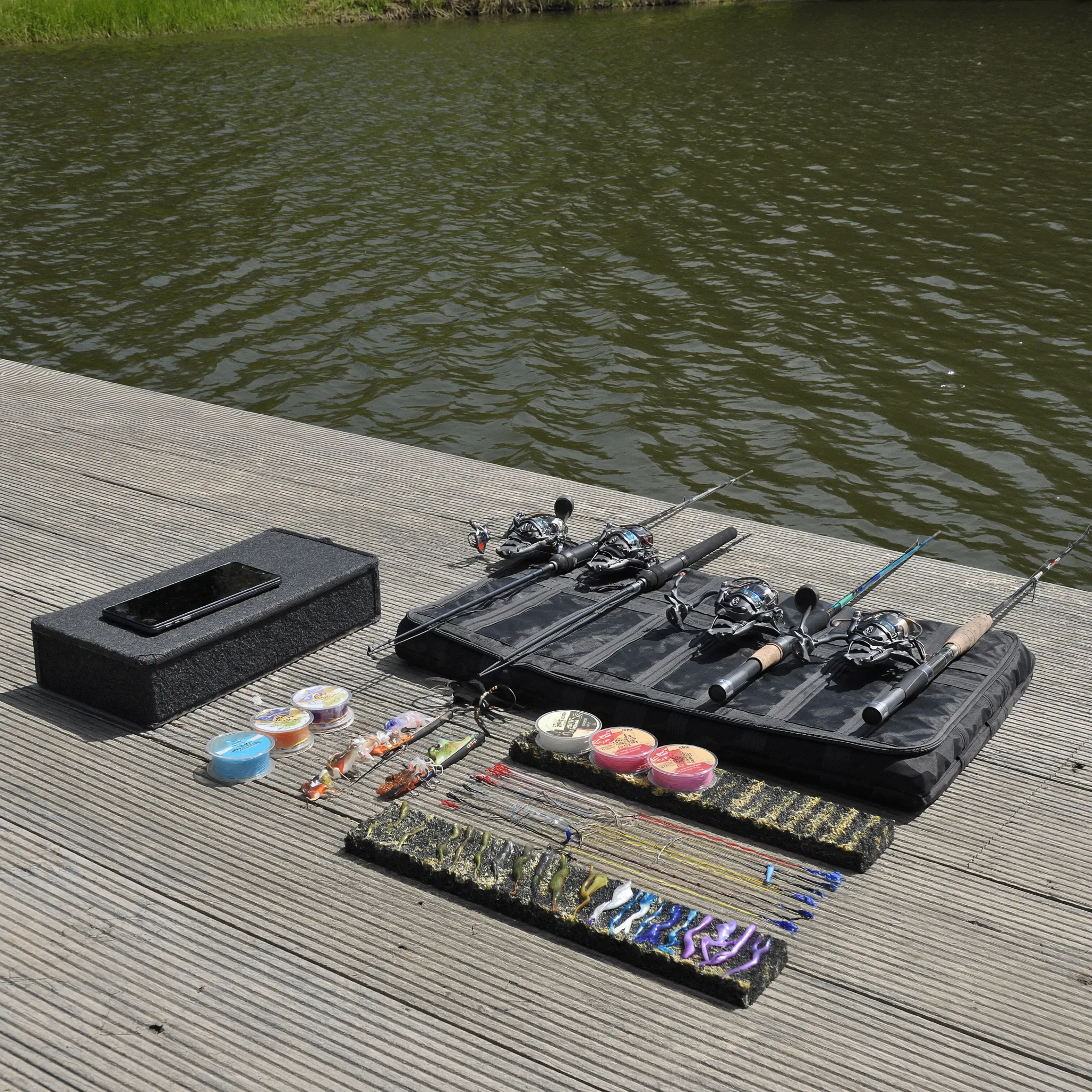
Good gear should remove problems, not create new ones. A comfortable rod and reel, line that matches the cover, sharp hooks, reliable pliers, sun protection, water, and a tidy tackle system will help more than a pile of lures you do not trust. Confidence grows when your equipment is simple enough to use well.
If the topic is boats or electronics, the same rule applies. Buy tools that answer real questions. If the topic is budget, spend first on safety, comfort, and repeatable basics. If the topic is fishing with someone else, agree on shared gear, launch timing, and expectations before the day gets noisy.
Reading the Day Instead of Chasing Rumors
Rumors can point you in a direction, but observation should make the final call. Watch birds, bait, shade lines, muddy water edges, grass health, and the way wind pushes onto banks or across points. On Clear Lake especially, a little wind can turn a lifeless stretch into a feeding lane, but too much can make boat position and safety the main story.
Keep notes in plain language. Do not just write that you caught one on a jig. Write where the lure was, how deep it felt, what cover it touched, how fast you moved it, and what the weather was doing. Those details become your own local knowledge over time.
Safety, Comfort, and Confidence
A good fishing trip is not only measured by bites. It is also measured by whether everyone came home comfortable, respected, and ready to go again. Tell someone where you are going, check weather, carry water, keep a charged phone, and respect private property, marina rules, and other anglers working nearby.
For solo anglers, this matters even more. For women fishing alone, the routine should feel empowering instead of fearful: choose visible access points when possible, trust your instincts, keep your launch and return plan simple, and do not apologize for taking up space in a sport you enjoy.

Mistakes Worth Avoiding
The biggest mistake is changing everything at once. If you change location, lure, retrieve, depth, color, and speed every few casts, you never know what mattered. Make one meaningful adjustment at a time so the day can teach you instead of becoming a blur of guesses.
Another mistake is comparing your real day to someone else’s highlight. A photo does not show the hours without bites, the missed fish, the weather change, the local experience, or the private water behind the result. Measure progress by better decisions, cleaner casts, safer habits, and a stronger understanding of the lake.
Small Details That Change the Day
For a topic like The Best Fishing Gear Designed for Women, the small details often matter more than the dramatic ones. The difference between a forgettable trip and a useful trip can be as simple as arriving with a plan, keeping the deck or bank bag organized, watching what the wind does to one stretch of water, and taking five minutes to reset instead of rushing through the same mistake for hours.
Think about comfort too. Sun, cold, food, hydration, footwear, battery life, and launch timing do not feel like bass fishing advice until one of them goes wrong. When those basics are handled, you make cleaner casts, communicate better with partners, and notice more of the lake. That is especially important around Clear Lake, where a beautiful morning can still turn into a windy, exposed afternoon.
If you are new, resist the pressure to prove everything in one day. If you are experienced, resist the pride that says you already know enough. The best anglers I know are still students. They ask better questions each season, simplify when the fishing gets weird, and respect the fact that bass are living fish in changing water rather than puzzle pieces waiting for one magic answer.
Use this article as a starting point, then make it personal. Write down what you tried, what you saw, what felt uncomfortable, what gave you confidence, and what you would change next time. Over a season, those notes become more valuable than random advice because they are built from your own water, your own budget, your own schedule, and your own style of fishing.
What to Remember
- Keep the plan simple enough to follow when the day gets windy, crowded, hot, cold, or slow.
- Choose gear and locations that match your actual skill level, budget, safety needs, and available time.
- Let conditions, not rumors, decide when to adjust.
- Write down what happened so every trip makes the next trip easier.
- Stay respectful, patient, and curious; bass fishing rewards the angler who keeps learning.
One Last Practical Check
The night before you go, read the title of this article again and turn it into one clear question for the trip: what would a better decision look like today? Maybe it is leaving two unnecessary tackle boxes at home, launching later because the weather is safer, choosing a bank spot with better visibility, talking through expectations with a partner, or setting a spending limit before you walk into the tackle shop. Bass fishing gets easier when every trip has one purpose you can remember after the rods are put away.
Plan Your Next Trip
Before your next outing, choose one focus from this article and build the day around it. That might be practicing accurate casts, learning a new stretch of Clear Lake, trying a safer solo routine, comparing bank access to boat access, or setting a budget before you buy more tackle. One clear goal beats ten vague hopes.
If you want help turning bass fishing gear for women into a practical Clear Lake plan, send a note through the contact page. Tell Lee what kind of water you fish, how you like to fish, your comfort level, and what has been confusing you lately. The answer should help you make the next trip feel less random.
Sources and References
- California Department of Fish and Wildlife fishing regulations and license information.
- Local marina, tackle shop, and guide reports when planning current Clear Lake trips.
- NOAA and local weather forecasts before boating, kayaking, or fishing alone.
- U.S. Coast Guard and California boating safety guidance for required equipment and safe operation.